Generator Transfer Change Setup Orange County
When the Santa Ana winds pick up or a wildfire threat triggers an utility shutoff, the lights in Orange County go dark fast. A generator can bridge the space, however it only becomes a safe and dependable backup when it is coupled with an effectively set up transfer switch. That single tool protects energy crews, prevents damage to your home's electrical system, and makes power restoration smooth rather of frenzied. I have actually set up transfer switches on hillside homes in Laguna Beach, system homes in Mission Viejo, medical suites in Tustin, and dining establishments in Costa Mesa, and the very same principle holds in every case: the transfer switch is the heart of a safe backup power system.
Why the transfer switch matters
A transfer switch isolates your home or service from the utility when the generator runs, then paths power to selected circuits. Without it, backfeeding can energize lines outdoors your residential or commercial property, which puts lineworkers at threat and breaks code. The National Electrical Code calls out transfer equipment in Post 702 for optional standby systems. In California, inspectors search for UL 1008 listed transfer equipment, proper grounding and bonding, and paperwork that the setup does not parallel the utility accidentally. A $300 mistake at this step can rapidly end up being a five-figure repair if a surge takes out your primary panel or appliances.
In useful terms, a transfer switch also makes operation simple. Instead of dragging extension cables through windows and thinking loads, you flip a control on a plainly identified switch, and your heating system, refrigerator, workplace, and lighting return to life. For services, that implies POS terminals, networking equipment, and coolers spin back up in a predictable sequence.
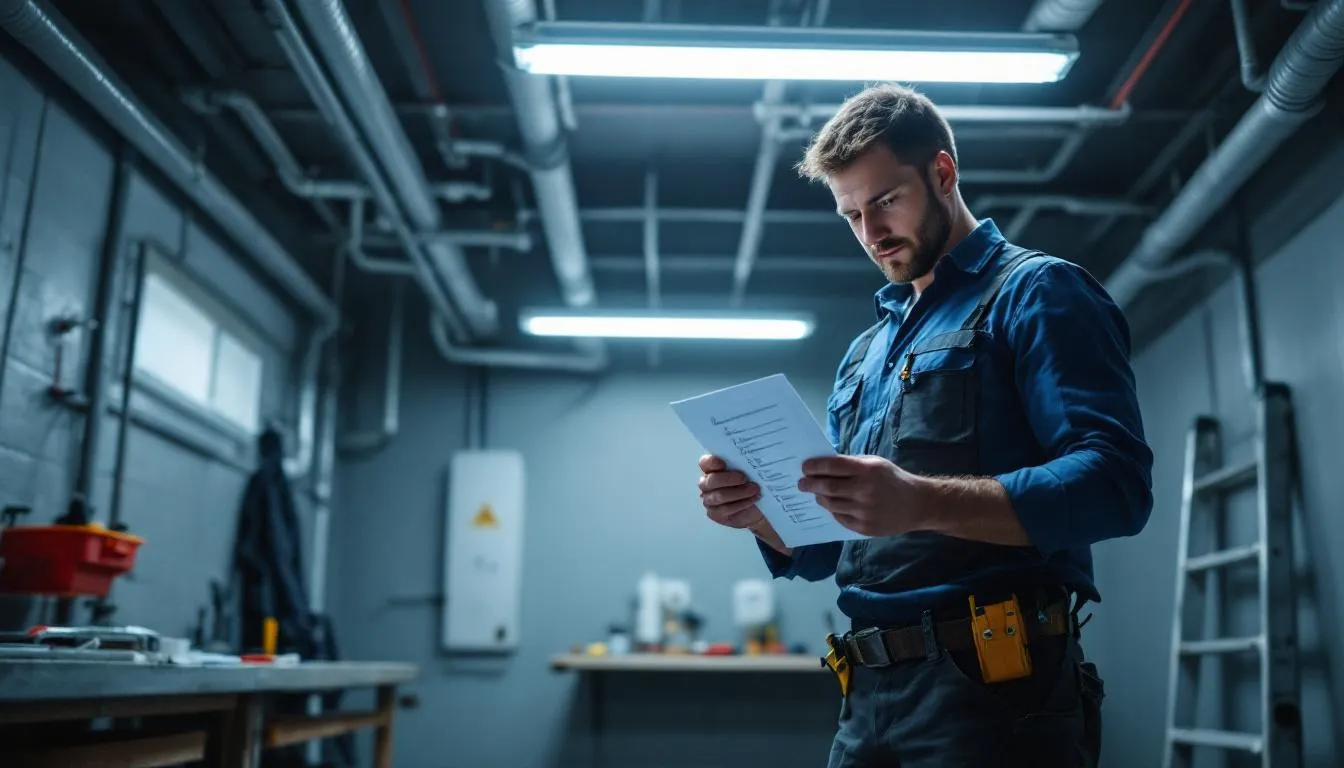
Choosing manual vs automatic in genuine Orange County scenarios
Most property owners consider a manual transfer switch paired with a portable generator. Services, and house owners with medical requirements or frequent interruptions, tend to prefer an automated transfer switch with a permanently set up standby generator.
Here is a tight comparison that covers how I help clients decide in between the 2 in the field:
- Response: Manual needs you to present and begin the generator, then flip the switch. Automatic senses the interruption and transfers within seconds.
- Typical size: Manual pairs well with 5 to 12 kW portable generators. Automatic usually goes with 10 to 48 kW standby units for homes and little businesses.
- Cost profile: Manual is typically 1,200 to 2,500 dollars for the switch and setup, plus the generator. Automatic frequently runs 3,500 to 6,500 dollars for the ATS setup, plus the standby generator and gas work.
- Panel combination: Manual utilizes a dedicated subpanel or circuit selector feeding concern loads. Automatic can be service rated and take control of the whole service or a protected load panel.
- Maintenance: Manual setups are simple to preserve. Automatic systems need periodic self-test confirmation, battery checks, and often load bank testing for industrial sites.
I installed a manual transfer switch for a household in Laguna Niguel that only loses power a few times a year, typically during wind occasions. They wished to cover 6 necessary circuits: the furnace blower, fridge, kitchen area outlets, a couple of lights, and the garage door opener. Their 8 kW portable generator with a 30 amp inlet through a UL noted manual switch has run perfectly for 3 seasons. In Costa Mesa, a seafood restaurant owner might not risk wasting. We installed a 48 kW natural gas standby generator with a service rated automated transfer switch. When the grid drops, the ATS transfers in about 7 seconds, with a configured https://trentonvraa024.zenbloomer.com/posts/panel-replacement-orange-county-modernize-your-home-s-power delay to let the generator stabilize. The walk-in cooler, POS, emergency lighting, and hood controls stay online, and the cooking area keeps serving.
Sizing the generator and the transfer switch the ideal way
Sizing gets messy when you start guessing. The best approach is a load calculation that accounts for constant and motor loads, starting currents, and what you truly need throughout an interruption. For a common 2,000 square foot home with a gas furnace, gas hot water heater, basic fridge, some lighting, and office equipment, a 7 to 10 kW generator usually covers the essentials. Add a well pump or a central a/c compressor, and the requirement can jump to 14 to 22 kW. For services, I often create to keep 60 to 80 percent of typical operations, not the full structure load, to manage expenses while protecting revenue.
Transfer switches are rated in amperes, not kilowatts. A 200 amp service rated ATS can manage a whole home service, even if the standby generator is only 16 kW. The secret is coordination. If the ATS feeds the whole panel, we include load shedding modules for high draw circuits like AC or EV charging. If we use a non service ranked ATS, it sits downstream of the primary detach and feeds a protected load panel.
Two information constantly trip up DIYers and even some pros:
First, neutral switching. Lots of portable generators now deliver with GFCI protected receptacles and a drifting neutral. If you link a drifting neutral generator to a transfer switch that does not switch the neutral, problem tripping can occur the minute a 2-pole load or multi wire branch circuit comes online. In some Orange County jurisdictions, inspectors want neutral switching if the generator is an individually obtained system. We assess the generator's bonding, the transfer devices type, and local AHJ assistance to decide.
Second, motor starting. A 3 heap AC compressor may list 20 to 25 amps running, yet it can strike 5 to 7 times that on start. Without soft start sets or load management, the generator will stumble. I have had property owners tell me their "12 kW generator might not run the a/c." After including a soft start, the very same unit handled it without drama.
Placement, gas supply, and sound in dense neighborhoods
Orange County lots can be tight. Standby generators can not live in a crawlspace or a garage. The majority of manufacturers require 18 to 60 inches of side clearance, 5 feet from doors and windows minimum, and 3 feet from combustible walls. City inspectors might need more if exhaust could impinge on an opening. NFPA 37 and maker instructions rule the day, and inspectors will seek to both.
Noise regulations vary by city. Anaheim, Irvine, and Huntington Beach each implement quiet hours and decibel limitations at the home line. A normal air cooled 22 kW standby system runs about 67 to 70 dB at 23 feet. On small lots, I add a sound deflection fence and orient the exhaust away from bedrooms. Weekly workout cycles can be scheduled at midday to avoid next-door neighbor complaints.
For fuel, natural gas is practical, however the meter and piping need to support the added BTUs. A 22 kW generator can require around 300 to 380 cubic feet per hour at full load on natural gas. I have needed to coordinate a meter upgrade with Southern California Gas in a number of cities. Lead times can be a few weeks, so we start that process early. Gas is an alternative where gas supply is restricted. A 250 gallon tank supplies a strong buffer, but at 50 percent load, a 22 kW lp system can burn about 1.6 to 2.0 gallons per hour, so strategy runtime accordingly. Obstacle rules for propane tanks include another layer, and HOAs in some cases restrict above ground tanks, which makes natural gas more effective for many suburban homes.
Permit, utility, and inspection circulation in Orange County
Every city in Orange County has its own taste of evaluation, however the core steps are consistent. We submit a single line diagram, generator and transfer switch cut sheets, a site plan with problems, load computations, and gas line sizing if relevant. Some cities, like Irvine and Anaheim, offer over the counter examines for straightforward domestic manual transfer switches. Larger standby projects frequently go through plan check, which can take 1 to 3 weeks depending on workload.
Coordination with the electric energy is uncomplicated on a lot of tasks. Southern California Edison area covers most of the county, except for Anaheim Public Utilities and a few local pockets. If the ATS is service ranked and we are relocating or changing the primary detach, we arrange a meter pull and sometimes a quick blackout window to ensure terminations. Inspectors in Santa Ana and Lake Forest have actually asked for labels at the service equipment that show the presence of standby power and the location of the generator disconnect. We also set up an outside generator emergency situation stop where required.
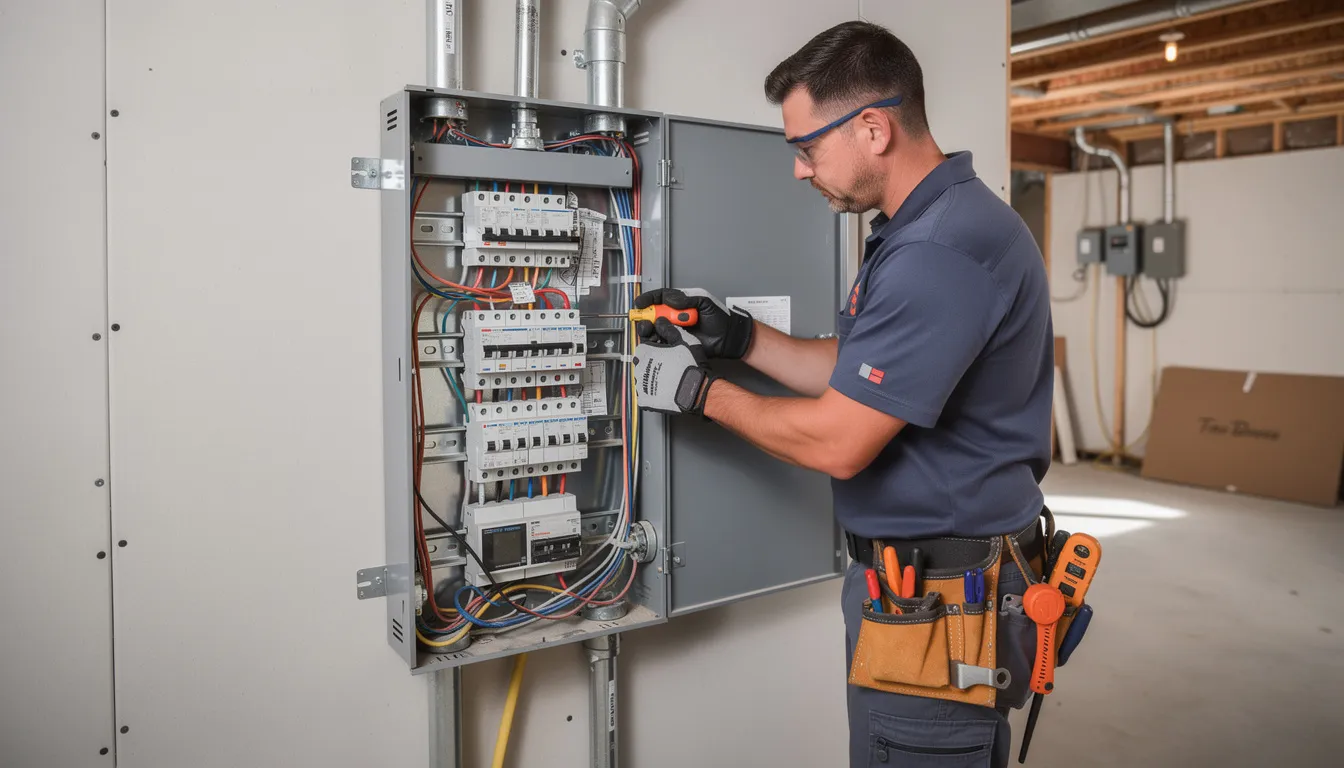
California's Residential Code requires carbon monoxide gas alarms outside sleeping locations and on each floor for homes with fuel burning devices or connected garages. When we set up a generator, I validate CO alarm positioning as part of the electrical assessment readiness, due to the fact that some inspectors will flag missing alarms even if they are not strictly part of the generator scope.
How a job really unfolds
A well run setup follows a foreseeable rhythm. The very first go to is a website walk. I measure panel capabilities, list your necessary loads, check clearances, and listen to what you can not live without during an outage. Numerous house owners begin with a longer should have list than their spending plan supports. We manage that by moving a number of high draw circuits onto wise load shedding modules, or by positioning them on the utility only side of the panel. For instance, a 50 amp EV circuit may be enabled only when the grid is present. I have integrated several EV battery charger setup Orange County jobs with standby systems using that strategy.
Next, we draw a tidy single line diagram. If your primary panel is older than the early 2000s, an electrical panel upgrade Orange County may be appropriate. Some legacy panels do not accept contemporary breakers, have actually restricted space, or absence proper labeling. An upgrade is frequently the correct time to bring in whole home surge protection, which pays for itself the first time a lightning strike near Tustin Cattle ranch ripples through the neighborhood.
On setup day, we stage products, confirm energy and gas shutdown windows if required, and set the equipment. For manual switches, that includes a generator inlet rated for the cable you will use, a whip to the transfer switch, and a tidy subpanel for the selected loads. For ATS jobs, we may pour a little pad a couple of days previously, set the generator, run conduit and conductors, and complete the gas rough-in. At the last connection, we perform insulation resistance checks where suitable, torque confirm terminations to manufacturer specs, and label everything. Then we test. I replicate a blackout and show you how the system behaves, consisting of the hold-up before transfer and a hold-up after energy go back to prevent short cycling.

For commercial electrician Orange County clients, I include one more step. We evaluate under a known load, often with staged devices, and validate important paths like emergency egress lighting and exit signs. Some tenancies require a brief fire alarm notice to make sure no one errors the test for a real event.
Costs you can use for planning
Pricing varies with distance to service equipment, trenching requirements, HOA guidelines, and the intricacy of your existing electrical system. These ranges are what I have seen throughout property and light industrial projects in the past number of years:
- Manual transfer switch with inlet and a six to 10 circuit subpanel, common labor and materials: 1,200 to 2,500 dollars. Portable generator not included.
- Automatic transfer switch setup connected to a standby generator, consisting of control wiring and coordination with utility: 3,500 to 6,500 dollars. Generator not included.
- Standby generators, domestic air cooled 10 to 24 kW: 5,000 to 12,000 dollars for devices, depending upon brand name and features.
- Gas work, meter upgrade coordination and brand-new piping: 800 to 2,500 dollars, higher if long terms or upsizing a number of segments.
- Concrete pad and site work: 300 to 900 dollars.
- Permits and assessments: 200 to 800 dollars depending on city and scope.
A total property standby bundle that offers automated coverage for a 2,400 square foot home frequently lands in between 9,000 and 20,000 dollars all in. A portable plus manual switch approach can land in between 2,000 and 5,000 dollars plus the expense of the generator. If your home needs an electrical panel replacement Orange County because the existing panel is not functional, add 2,000 to 3,500 dollars.
I am transparent in upfront discussions that we can scale protection to satisfy a number. Keeping the air conditioning off the generator, or using a soft start set instead of upsizing the generator, can cut several thousand dollars without sacrificing convenience in mild weather.
Safety mistakes I still see and how to avoid them
I still get calls to fix well intentioned but harmful setups. The most common is a clothes dryer receptacle backfeed with a homemade cable. It is prohibited and dangerous. Breakers are not move devices, and a bad move can energize the community. Another is trying to run a home office and a refrigerator on a web of extension cords through a propped open window. It appears fine till somebody closes the window or a cord gets too hot under a rug.
A technical bad move that triggers aggravation is matching a GFCI protected portable generator with a non changing neutral transfer switch. The moment a shared neutral circuit comes alive, the generator trips offline. The fix is to either bond the neutral at the generator as the listing permits and use a switching neutral transfer switch, or alter the switch to a non individually obtained configuration that the generator's GFCIs endure. It depends upon the particular generator model, so we check before cutting any metal.
Grounding and bonding deserve attention. A portable generator that links through a transfer switch utilizes the home's grounding electrode system. You do not drive a different ground rod for the portable. A completely set up generator might require bonding and grounding per the producer and code, with clear labeling on the disconnect and the ATS.
What Orange County inspectors appearance for
Inspectors in Orange County are comprehensive. Here is a brief homeowner list that has actually kept my jobs sailing through last inspection:
- UL 1008 listed transfer equipment that matches the setup type, service rated if utilized as the service disconnect.
- Clear labeling at the service equipment, including the place of the generator and its disconnect.
- Correct conductor sizes, setup methods, and torque worths documented where required.
- Carbon monoxide alarms set up per code, and generator placement conference clearances from openings.
- For gas work, pipe sizing calculations and a pressure test tag or gauge visible throughout inspection.
Expect a practical test. Residential inspectors typically ask to see the manual transfer in action, and business inspectors in some cases ask for a brief blackout simulation with egress lighting verification. If the project required coordination with Anaheim Public Utilities or SCE, ensure those tickets are closed so the meter can be re-installed quickly.
Integrating backup power with the rest of your electrical plan
A generator task is a natural time to tidy up other electrical requirements. For a residential electrician Orange County, I frequently bundle in surge protection, a couple of brand-new devoted circuits in the kitchen, and lighting improvements. Recessed lighting Orange County retrofits with effective LEDs cut your interruption load and make generator sizing simpler. Smart home circuitry Orange County upgrades, like a networked thermostat, assistance collaborate load shedding or delay AC reboot after transfer. If your landscape has course and security lights, we put outside lighting Orange County circuits on the generator so you are not walking in the dark to inspect the system at night.
For commercial websites, we take a look at low voltage circuitry Orange County and networking to keep charge card processing and internet up. Pairing a small UPS with the network switch and modem covers the brief gap while the ATS transfers, so your system does not reboot during every blip. In a little medical office in Irvine, we protected medical fridges, an information closet, and minimal task lighting on a 27 kW natural gas generator. We coordinated the electrical inspection Orange County with the city and recorded the vital circuits for their insurer, which lowered their premium.
Operating and preserving your system
Even the best hardware requires a little attention. I motivate property owners to evaluate their manual transfer switch monthly. With the main breakers still on utility, begin the generator, turn the switch to generator position for a minute to verify function, then go back to utility. This keeps the procedure familiar and surfaces any issues before the next storm. For fuel, run the generator under load for 20 minutes every few months. If it is a gas portable, include stabilizer and rotate fuel every 3 to 4 months. For propane or natural gas standby systems, let the weekly exercise run, but likewise do a longer runtime twice a year to make certain the system carries out under a real load.
Commercial customers take advantage of an annual upkeep strategy. We examine battery health, modification oil on schedule, confirm gas pressure at full load, inspect the exhaust, and review occasion logs. Where life safety or service continuity is crucial, I arrange a load bank test to bring the generator approximately 80 percent of rated load for an hour. That exposes marginal connections and weak parts before a failure exposes them.
When to bring in a pro, and how to pick the right one
If you are looking for an Orange County electrician to install a transfer switch, try to find a licensed electrician Orange County with experience in standby systems. Request UL 1008 transfer switch experience, pictures of recent projects, and familiarity with your city's process. A strong Orange County electrical contractor will be comfortable discussing neutral changing, gas sizing, and meter coordination. If your panel is overloaded or dated, they must explain whether a panel replacement Orange County will be part of the strategy and why.
Responsiveness matters. Interruptions do not regard organization hours, so having a 24 hr electrical contractor Orange County on call can turn a stressful circumstance into a quick hassle. I have done same day electrician Orange County service contacts us to restore an unsuccessful ATS control board for a small grocer and late evening sees to assist a house owner whose portable generator would not begin during a wind occasion. The key is preparation. We leave clients with a labeled panel, a laminated flying start guide, and a contact number that in fact gets answered.
Price shopping has its place, but the most affordable quote typically leaves out the really items that pass evaluation or safeguard your investment. An inexpensive electrician Orange County need to still pull authorizations, follow code, and use listed equipment. When you check out evaluations, try to find remarks about communication, cleanliness, and how the contractor managed surprises. The best electrician Orange County for this work will treat your home or company like a system, not simply a box of wires.
A few lived lessons from local jobs
On a hillside home in San Clemente, wind driven rain exposed a leaking service mast the day before we set a service rated ATS. We stopped briefly, sealed and changed the weatherhead, and rebooked the assessment. The client asked if the hold-up was really essential. Two weeks later, another storm hit. The panel stayed bone dry, and the generator moved cleanly. Hurrying would have implied rust and annoyance journeys within a season.
In a Mission Viejo tract home, a client wanted the whole house on a 14 kW generator. The mathematics did not support it, especially with a 3.5 ton a/c. We installed a soft start on the compressor, a load shedding module on the EV charger that only engages on energy, and slightly restricted the variety of kitchen area counter circuits on the safeguarded panel. The result felt like a capacity service to the property owner, without the extra 5,000 dollars for a larger generator.
For a Newport Beach shop, we discovered throughout commissioning that the generator voltage dipped whenever the espresso maker cycled. The repair was simple once we determined the inrush. We moved the machine to the utility just side of the panel, added a little dedicated UPS to keep the point of sale from blinking, and trained the personnel to prevent espresso pulls throughout the short couple of minutes after an outage while the ATS settles. The owner reported absolutely no lost transactions throughout the next outage.
Quick homeowner preparation before your electrician arrives
- Make a list of should run circuits, such as heat, fridge, medical gadgets, web, and lighting.
- Take an image of your main panel interior and the meter location to share during an estimate.
- Note where you might put a portable generator or a standby unit, considering sound and clearance.
- If you have gas devices, locate your gas meter and list other gas loads to assist with sizing.
- Check your HOA guidelines for equipment placement and screening so there are no surprises.
The function of a local partner
Working with a regional electrician near me Orange County brings useful advantages. We know which inspectors choose labels at the service devices in Spanish and English, which cities need a fence around a side yard generator, and how to set up around SCE meter pulls without leaving you in limbo. A local electrician Orange County can also collaborate related work efficiently, from outlet installation Orange County for a generator inlet to ceiling fan setup Orange County while we are currently on site with ladders and testers. If your property requires lighting setup Orange County or recessed lighting Orange County upgrades, combining scopes conserves mobilization costs. For homes that have not been upgraded in decades, whole home rewiring Orange County might be on the horizon, and planning the generator integration now avoids rework later.
If you run a small business, a commercial electrician Orange County who can troubleshoot quickly will be your favorite contact on a disorderly day. Electrical troubleshooting Orange County is part of our typical service, but during storms we prioritize emergency electrician Orange County contacts us to keep vital operations constant. The top rated electrical contractor Orange County reviews you see online typically show a firm that has bought training, stocked trucks, and clear interaction. Those are the very same qualities that make transfer switch setups smooth and dependable.
Reliable backup power is not about bragging rights. It has to do with preserving typical life when the grid has a hard time. Combine your generator with the ideal transfer switch, installed and checked by somebody who understands the Orange County terrain, and the next interruption will seem like a small detour rather of a dead stop.